Toyota Raize vs Honda BR-V: Philippines 2026 Comparison
Quick Verdict
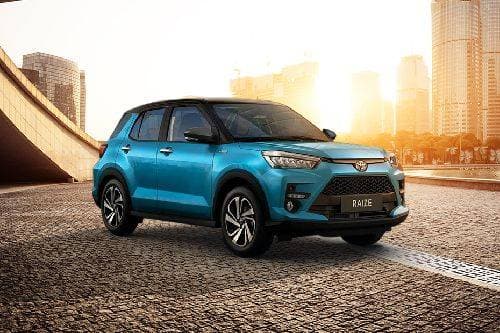
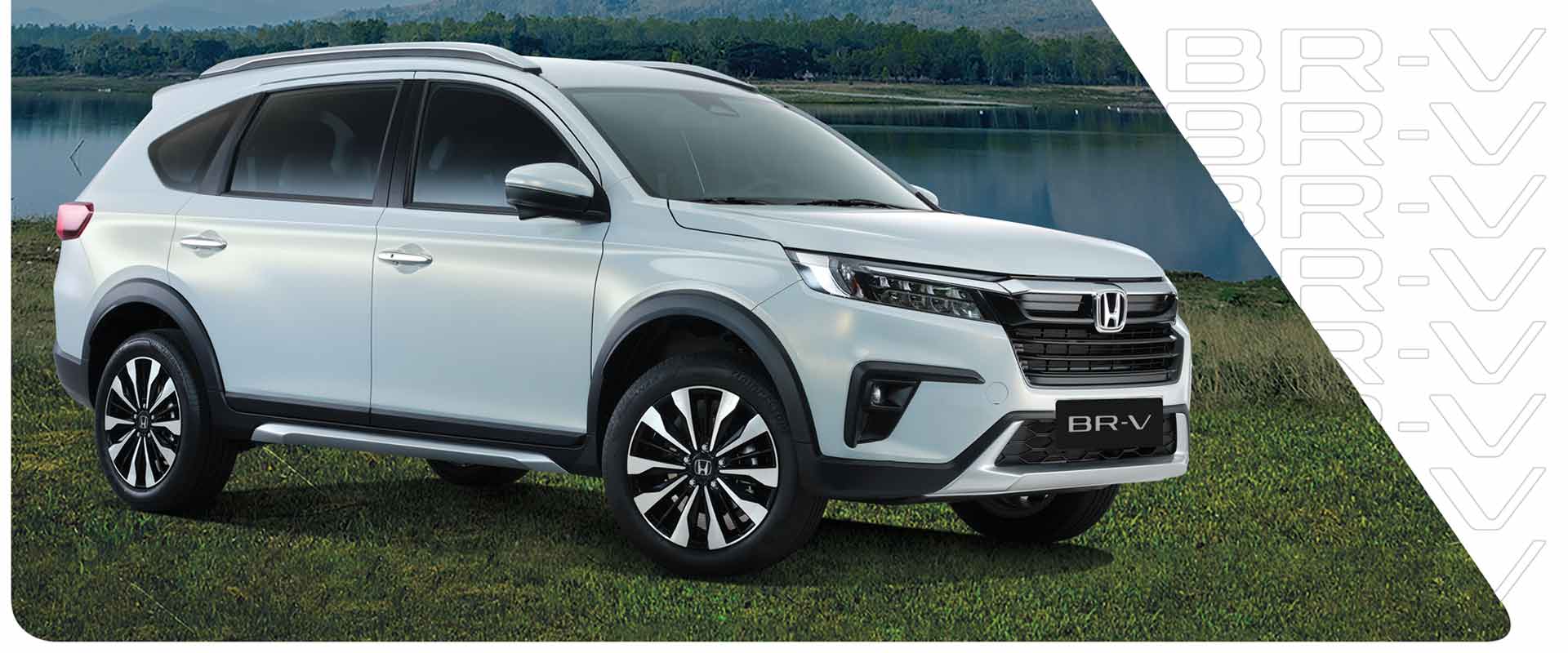
The Honda BR-V edges out the Toyota Raize with a higher Expressway Score (73 vs 61). However, the Toyota Raize is more affordable starting at ₱757,000.
Expressway Score Comparison
Toyota Raize
61
GOOD
Honda BR-V
73
EXCELLENT
Score Breakdown
| Category | Toyota Raize | Honda BR-V |
|---|---|---|
| Highway Fuel | ★★★★★21 km/L | ★★★★★18 km/L |
| Highway Comfort | ★★★★★ | ★★★★★ |
| Safety (ADAS) | ★★★★★6 airbags | ★★★★★6 airbags |
| Cargo Space | ★★★★★369L | ★★★★★223L |
Key Specs: Toyota Raize vs Honda BR-V
| Spec | Toyota Raize | Honda BR-V |
|---|---|---|
| Price Range | ₱757,000 — ₱1,074,000 | ₱1,165,000 — ₱1,420,000 |
| Expressway Score | 61/100 | 73/100 |
| Highway Fuel | 21 km/L | 18 km/L |
| City Fuel | 11 km/L | 11 km/L |
| Engine | 1,198 cc | 1,497 cc |
| Power | 86 hp @ 6,000 rpm | 119 hp @ 6,600 rpm |
| Torque | 113 Nm @ 4,200 rpm | 145 Nm @ 4,300 rpm |
| Transmission | 5MT / CVT | 6MT / CVT |
| Airbags | 6 | 6 |
| Cruise Control | None | Adaptive |
| Adaptive Cruise | No | Yes |
| Lane Keep Assist | No | Yes |
| Auto Emergency Braking | No | Yes |
| Trunk Capacity | 369L | 223L |
| Ground Clearance | 200 mm | 207 mm |
| Kerb Weight | 1,020 kg | 1,265 kg |
| Toll Class | Class 1 | Class 1 |
Monthly Fuel Cost Comparison
Based on a typical NLEX commute: 90 km/day x 20 working days = 1,800 km/month at ₱65.45/L gasoline.
Toyota Raize
21 km/L highway
₱5,610
per month
Honda BR-V
18 km/L highway
₱6,545
per month
The Toyota Raize saves you approximately ₱935/month (₱11,220/year) on expressway fuel.
Pros & Cons
Toyota Raize
Pros
- ✓Affordable starting price under ₱800K — most accessible SUV in PH
- ✓Excellent highway fuel economy (21 km/L)
- ✓200mm ground clearance handles any toll plaza surface
- ✓Compact 4,030mm length easy to maneuver through toll booths
- ✓Strong Toyota resale value — retains 80%+ after 3 years
- ✓6 airbags standard across all variants
- ✓Turbo variant offers meaningful performance upgrade for ₱1.07M
Cons
- ✗No cruise control on any variant — fatiguing on long drives
- ✗No ADAS safety features (no AEB, no lane keep assist)
- ✗1.2L engine struggles to maintain speed on Skyway Stage 3 inclines
- ✗Noticeable wind noise above 100 km/h due to tall body profile
- ✗Small rear cabin with limited legroom for adult passengers
- ✗4-speaker audio system on base variant feels basic
Honda BR-V
Pros
- ✓Honda SENSING on VX variant — adaptive cruise, LKA, AEB, and road departure mitigation
- ✓207mm ground clearance — highest in the MPV/crossover segment
- ✓119 hp engine — more powerful than Veloz (105 hp) and Xpander (103 hp) for confident highway overtaking
- ✓7-seat flexibility with fold-flat 2nd and 3rd rows for cargo versatility
- ✓Highway fuel efficiency of 16-18 km/L keeps expressway running costs competitive
- ✓Manual transmission option available on S variant for driver control enthusiasts
- ✓6 airbags on V and VX variants for comprehensive family protection
Cons
- ✗Honda SENSING only on the top VX variant at ₱1,420,000 — lower trims lack all ADAS
- ✗223L trunk is cramped with the 3rd row up — difficult to fit luggage for family trips
- ✗119 hp engine needs CVT kickdown and rev buildup for quick highway overtakes above 100 km/h
- ✗Base S variant has only 2 airbags — a significant safety gap vs the 6-airbag V and VX
- ✗No diesel option for better highway torque and range on long provincial drives
- ✗Smaller Honda dealer network than Toyota limits service accessibility in provinces
Other Comparisons
Toyota Raize vs Hyundai Creta
Score: 61 vs 75
Ford Territory vs Toyota Raize
Score: 60 vs 61
Toyota Corolla Cross vs Toyota Raize
Score: 90 vs 61
Geely Coolray vs Toyota Raize
Score: 73 vs 61
Mazda CX-30 vs Toyota Raize
Score: 74 vs 61
Honda BR-V vs Hyundai Creta
Score: 73 vs 75
Toyota Rush vs Honda BR-V
Score: 54 vs 73
Toyota Raize vs Honda BR-V FAQ
Which is cheaper, Toyota Raize or Honda BR-V?
The Toyota Raize is more affordable, starting at ₱757,000 compared to ₱1,165,000 for the Honda BR-V. That is a difference of ₱408,000.
Which has better expressway performance, Toyota Raize or Honda BR-V?
The Honda BR-V has a higher Expressway Score of 73/100 compared to 61/100 for the Toyota Raize. This factors in highway fuel efficiency, comfort, safety features, toll class, cargo space, and cruise control.
Which is more fuel-efficient on highways, Toyota Raize or Honda BR-V?
The Toyota Raize is more fuel-efficient on expressways at 21 km/L compared to 18 km/L for the Honda BR-V. For a typical NLEX commute of 90 km/day, the Toyota Raize saves you approximately ₱935/month on fuel.