Cars with Automatic Emergency Braking (AEB)
Automatic Emergency Braking (AEB) detects imminent collisions and applies the brakes if you don't react in time. The most important active safety feature for expressway driving where speeds are 80-100 kph.
How AEB Works
Sensor Monitors Ahead
Radar, camera, or lidar sensors continuously scan the road ahead for vehicles, pedestrians, and obstacles. Detection range is typically 50-150 meters at expressway speeds.
Collision Risk Detected
When the system determines a collision is likely, it first issues a visual and audible warning. Pre-collision braking may also be engaged to prepare the brake system.
Emergency Braking Applied
If you don't brake in time, AEB automatically applies full braking force. At expressway speeds, AEB can significantly reduce collision severity or avoid the crash entirely.
AEB Availability by Model
Showing top 30 models by popularity. 28 total have AEB.
All 28 Models with AEB
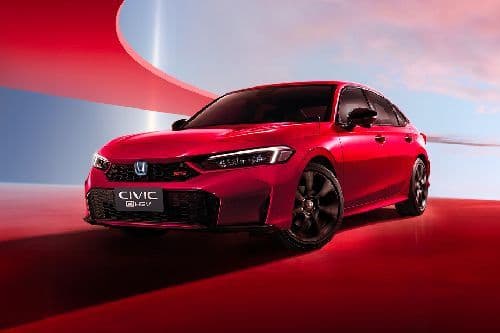
Honda Civic
Sedan
₱1,583,000
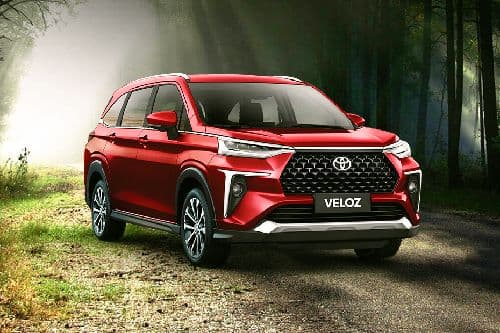
Toyota Veloz
MPV
₱1,104,000
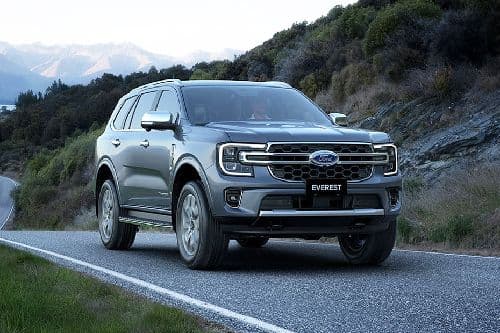
Ford Everest
Mid-size SUV
₱1,849,000
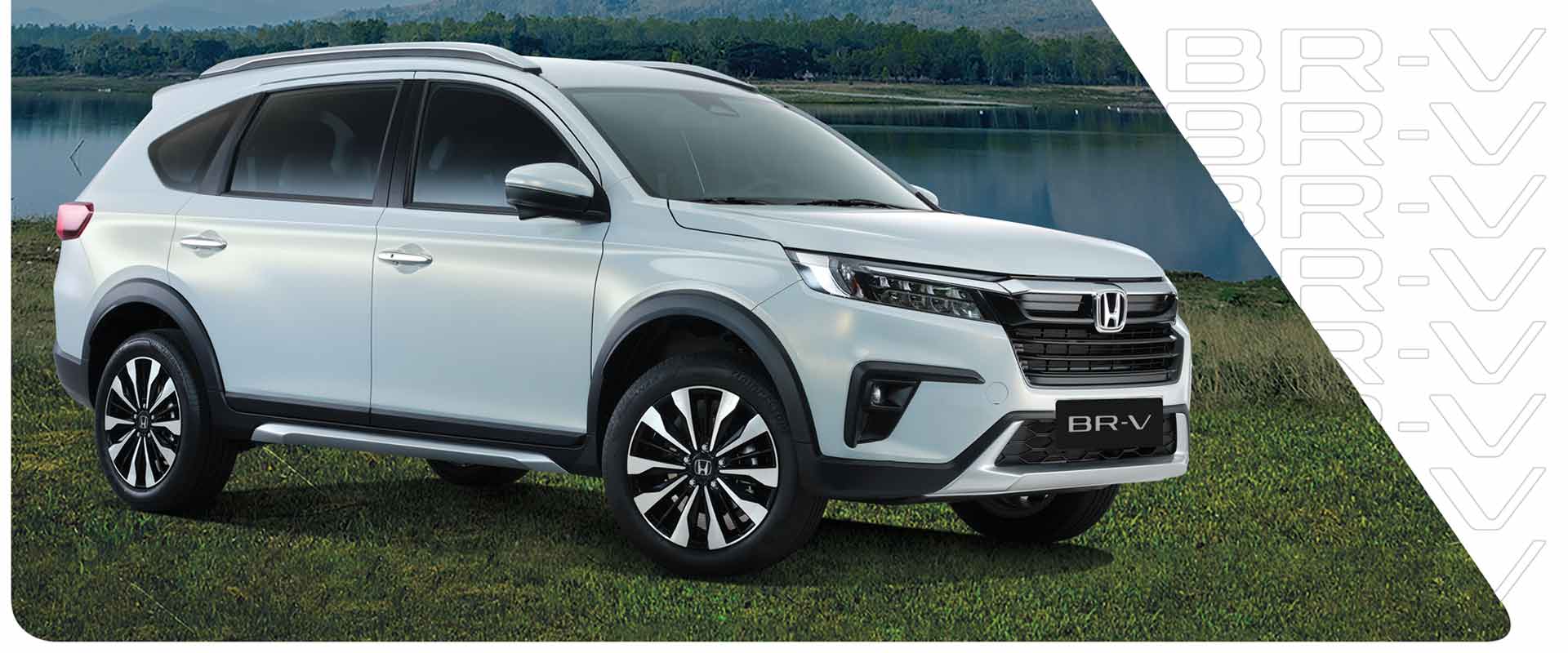
Honda BR-V
MPV
₱1,165,000
Nissan Terra
Mid-size SUV
₱1,749,000
Toyota Fortuner
Mid-size SUV
₱1,775,000
Toyota Hilux
Pickup Truck
₱891,000
Honda City
Sedan
₱973,000
Hyundai Stargazer
MPV
₱1,118,000
Honda HR-V
Compact SUV
₱1,498,000
Ford Ranger
Pickup Truck
₱1,379,000
Honda CR-V
Mid-size SUV
₱2,100,000
Geely Coolray
Compact SUV
₱978,000
Nissan Navara
Pickup Truck
₱1,240,000
Mazda Mazda3
Sedan
₱1,390,000
BYD Seal
Electric Vehicle
₱1,998,000
Isuzu D-Max
Pickup Truck
₱978,000
Mazda CX-5
Mid-size SUV
₱1,950,000
Toyota Corolla Cross
Compact SUV
₱1,514,000
Hyundai Tucson
Compact SUV
₱1,498,000
Toyota Camry
Sedan
₱2,380,000
Hyundai Creta
Compact SUV
₱1,134,000
Kia Carnival
MPV
₱2,888,000
Subaru Forester
Compact SUV
₱1,798,000
BYD Atto 3
Compact SUV
₱1,498,000
Mazda CX-30
Subcompact SUV
₱1,490,000
Volkswagen T-Cross
Compact SUV
₱1,298,000
Haval Jolion
Compact SUV
₱1,038,000